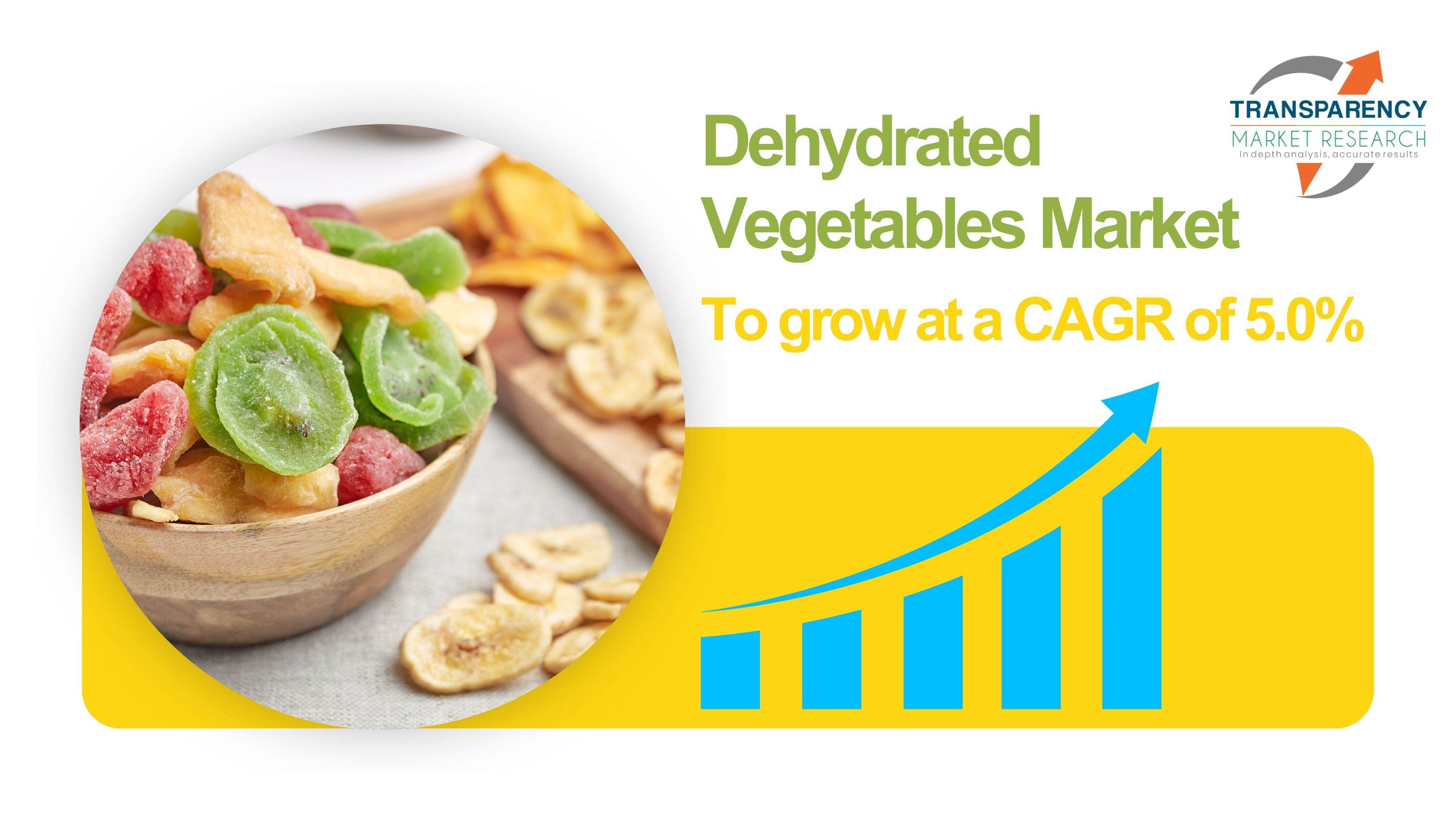
The global dehydrated vegetables market is steadily gaining importance in the food industry. Valued at US$ 69.6 billion in 2022, it is projected to grow at a CAGR of 5.0% from 2023 to 2031, reaching US$ 107.8 billion by 2031. This growth reflects evolving consumer preferences, advancements in food preservation, and innovative strategies by key players.
A Growing Appetite for Convenience and Longevity
Dehydrated vegetables have become essential for modern consumers. By removing moisture while retaining flavor and nutrients, they offer an extended shelf life without refrigeration. As a result, they appeal to people seeking convenience and nutrition.
The rising demand for ready-to-cook products is a significant factor driving this market. Many consumers now prioritize foods that simplify meal preparation without compromising on quality. Additionally, businesses and commercial kitchens value dehydrated vegetables for their efficiency and versatility.
Innovation Paving the Way Forward
Manufacturers are embracing new dehydration technologies to enhance product quality and retain more nutrients. Methods such as freeze-drying and vacuum drying have minimized the loss of vitamins and minerals during processing. For example, these techniques preserve fiber and essential nutrients, even if some vitamin C is lost.
In addition, companies are developing specialized product offerings. These include organic options, mixed vegetable blends for specific cuisines, and fortified dehydrated products for health-conscious consumers. These innovations are reshaping the market by appealing to a broader audience.
Key Market Drivers
- Increasing Demand for Processed Foods
Modern lifestyles leave little time for lengthy meal preparation. Consequently, dehydrated vegetables have become a preferred choice due to their lightweight nature and quick rehydration process. - Expanding Use Cases
Dehydrated vegetables are now widely used in:- Processed foods such as soups, snacks, and pre-packaged meals.
- Emergency supplies, as they are lightweight and easy to store for long periods.
- Outdoor activities, including hiking and camping, where portability is essential.
- Sustainability Efforts
The growing emphasis on reducing food waste has boosted interest in dehydration technology. This method ensures surplus vegetables, which might otherwise perish, are preserved for future use.Request a PDF Sample – https://www.transparencymarketresearch.com/sample/sample.php?flag=S&rep_id=55029
Strategic Moves by Industry Leaders
To stay competitive, companies are implementing several strategies:
- Collaborations and Partnerships: Many manufacturers are partnering with farmers and distributors to ensure a consistent supply of raw materials.
- Product Diversification: Businesses are launching products catering to niche markets, such as gluten-free or non-GMO dehydrated vegetables.
- Investment in Technology: Leading players are adopting cost-effective, energy-efficient production methods to reduce costs while improving quality.
As a result of these efforts, companies are strengthening their market presence and meeting diverse consumer needs.
Challenges and Opportunities
Despite its growth, the dehydrated vegetables market faces challenges. The high cost of dehydration equipment and fluctuations in raw material prices can limit profitability. However, these issues also create opportunities for manufacturers to innovate. By focusing on efficient production techniques, businesses can reduce costs and expand their market share.
Looking Ahead
The global dehydrated vegetables market is on a path of steady growth, driven by consumer demand for convenient, long-lasting food options. With sustainability and innovation at its core, the market is well-positioned to thrive in both developed and emerging economies.
The rise of health-conscious eating habits and the need for effective food preservation methods are fueling this growth. Moreover, regulatory bodies are establishing clearer guidelines, ensuring higher product quality and safety for consumers.
Future Outlook
The future of the dehydrated vegetables market looks bright, with projections indicating significant growth by 2031. From enhancing convenience to supporting sustainability, these products meet the demands of modern consumers.
As manufacturers continue to innovate and explore new opportunities, dehydrated vegetables are poised to remain a vital part of the global food industry. This transformation is not just about market expansion—it’s about redefining how we preserve, consume, and value food in an ever-changing world.