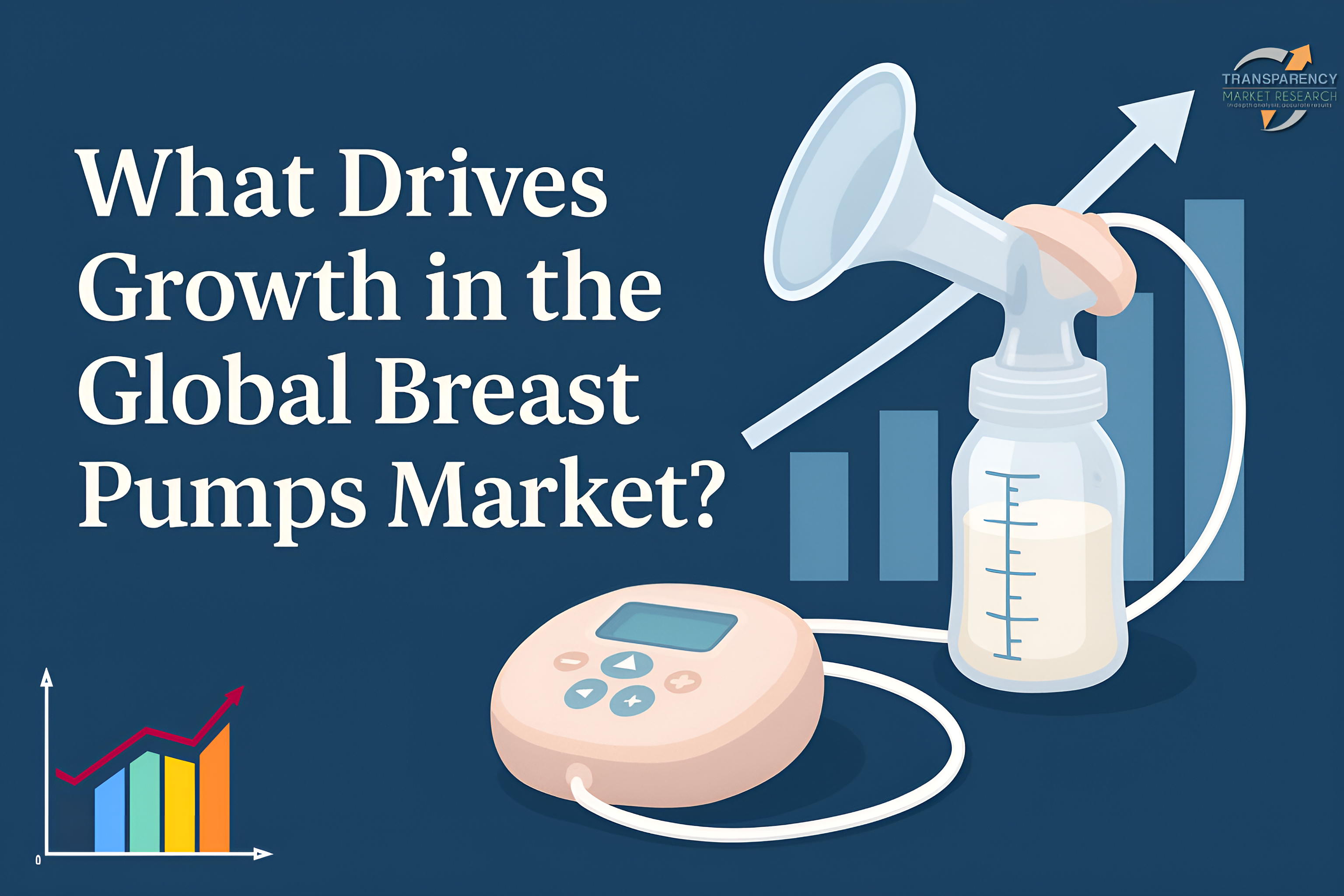
In an age where technology, convenience, and wellness are deeply transforming consumer attitudes, one product category that has changed quietly but deeply is breast pumps. Breast pumps were a medical device, prescribed in a hospital or only rarely in exceptional circumstances, for the past several decades. Today, however, they are a badge of empowerment, allowing working mothers, stay-at-home mothers, and even healthcare providers to manage the complex terrain of motherhood more easily and with more control.
As lifestyles change, gender role transition and maternal and infant health consciousness continue to increase, the worldwide breast pumps market is experiencing robust growth. The market in 2024 was approximately US$ 3.2 billion, and if the market estimates are to be believed, it’s only the start. Energized by innovation, diversity, and growing healthcare awareness, the breast pumps market is most likely to experience a compound annual growth rate (CAGR) of 8.9% from 2025 until 2035, reaching a milestone of 8.0 billion towards the end of the forecast period.
But why the boom, and what does it reveal about the evolving nature of parenting, technology, and consumerism?
Why Breast Pumps Are No Longer a Convenience
For most mothers, whether or not to breastfeed is extremely subjective and based on health, lifestyle, and cultural factors. But for all its benefits, exclusive breastfeeding is not simple—especially in today’s life where women are forced to get back to work shortly after delivery, juggle a chain of duties, or in some instances, deal with medical complications that prevent direct breastfeeding.
This is where breast pumps come in as being more than devices—they are bridges between a mother’s natural ability to nurse and the demands of everyday life. They enable mothers to continue to provide breast milk even when physically removed from their babies because of work, travel, or sickness. For NICU babies, breast milk may be a life-and-death issue, and pumps offer a means for mothers to provide even when physical nursing is impossible.
Breast pumps also make shared parenting easier. Expressing milk gives caregivers and partners an opportunity to share in feeding, which makes the experience more embracing and receptive to parent and child.
The COVID-19 Impact and Rise of Home Healthcare
Interestingly, the COVID-19 pandemic was a turning point for the breast pumps market. Hospitals were overburdened, and patients feared going to hospitals, so home healthcare was in high demand. Breast pumps, especially electric and hands-free, became a must-have for new mothers who wished to continue breastfeeds while minimizing exposure risks.
Moreover, the crisis brought about by the pandemic also generated renewed interest in health and immunity, and most families adopted breastfeeding even more strongly, in that it aids in developing an infant’s immunity. This attitudinal shift provided further incentive to manufacturers of breast pumps to innovate, promote, and sell their products even more widely.
Technological Innovation Paces the Way in the Market
The cumbersome, clunky pumps of the past are a thing of the past. The breast pumps of today are light, compact, and efficient, and their development has been done with much user insight. Companies have been spending money on product development to make pumps wireless, portable, and light so that they would easily fit into a woman’s lifestyle.
Think about the introduction of wearable breast pumps that you wear under a bra and allow mothers to pump their breasts hands-free while doing other things. These smart pumps have smartphone apps that track milk supply, pumping schedules, and so much more—natively part of today’s wellness technology ecosystem.
Greater popularity among closed-system breast pumps (preventing milk contamination through the separation of the pumping mechanism from the milk container) has also spurred greater market growth by appealing to consumers and healthcare professionals through a sense of hygiene sensitivity.
Global Vision: Urbanization, Awareness & Government Support
Across the globe, several factors are why the use of breast pumps is on the rise:
- Greater participation of women in the labor force in India, China, and Brazil has led to higher demand for equipment that allows working mothers.
- Public policies promoting breastfeeding, such as the WHO’s “Ten Steps to Successful Breastfeeding” and national maternity benefit schemes, are making breast pumps more available.
- Development of healthcare infrastructure in emerging markets is enhancing product availability and awareness levels among new mothers.
- Greater familiarity with purchasing online and consulting online has made parents more confident to compare, research, and purchase pumps.
North America dominates the breast pump market today, driven by robust healthcare spending, better insurance coverage, and widespread awareness. Asia Pacific, however, will have the highest rate of growth, driven by its massive population base, better economic conditions, and greater emphasis on mother care.
Innovative Players Creating an Impact
The breast pump market is extremely competitive, with established players and new entrants having cutting-edge solutions on offer. Medela AG, Philips Avent, Spectra Baby USA, Lansinoh Laboratories, and Elvie are spending extensively on R&D to enhance product design, comfort, efficiency, and digitalization.
These brands are also emphasizing sustainability and inclusivity. From creating pump materials that are BPA-free to offering lactation consultation services or creating easy-to-use products for first-time mothers, these brands are making breast pumps a lifestyle product from a medical device.
Looking Ahead: The Future of Breastfeeding Support
As we move toward 2035, the role of breast pumps will become only more critical. The world is growing more aware of the importance of maternal health, not just post-pregnancy but as part of a continuous process of care. As the conversation of mental health, body autonomy, and reproductive rights becomes ever more mainstream, breast pumps will be viewed more and more not just as utilitarian tools—but as part of an effort towards empowering parents and creating healthier beginnings for children.
The estimated growth of the breast pumps market to over US$ 8.0 billion by 2035 is more than a fact—a reflection of changing attitudes, intelligent products, and an increased focus on helping parents in every way possible.
Whether it’s assisting a mother to return to work with confidence, assisting a premature baby to access the nutrition that they need, or merely assisting a parent to sleep as a partner takes a night feed, breast pumps are increasingly playing a vital role in contemporary parenting—and their impact is one that will be felt for decades to come.
Last Words
The breast pump market is an inspiring case study in the intersections of compassion, technology, and health that can be brought to bear on the solution of common problems. As innovation speeds up and support systems evolve, more families will be able to enter the marketplace of possibility. And as the market grows, it will celebrate one of the simplest—and sweetest—things in human existence: caring for the next generation.