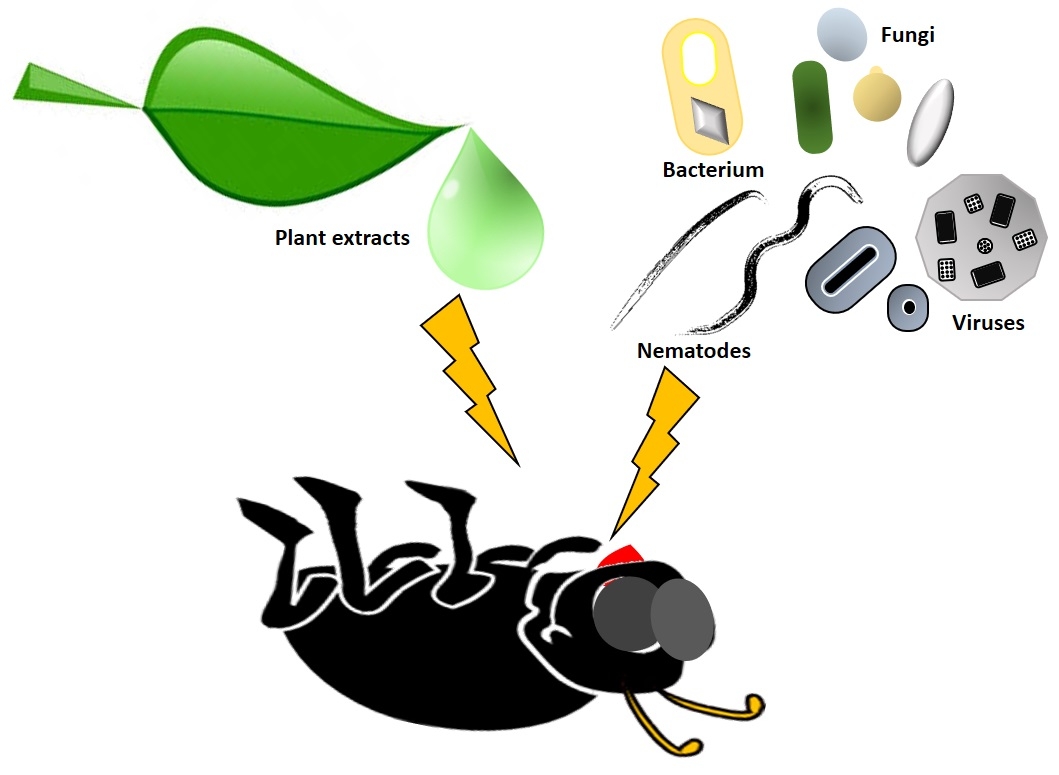
The adoption of organic fertilizers and biopesticides among farmers is influenced by various factors, including the improvement of the technical environment. As agriculture faces increasing pressure to adopt sustainable practices, organic fertilizers and biopesticides offer environmentally friendly alternatives to conventional chemical inputs. The improvement of the technical environment can indeed play a pivotal role in promoting the adoption of these alternatives.
The Role of Technical Environment Improvement
Research and Development (R&D) Advances
- Enhanced R&D efforts in organic fertilizers and biopesticides lead to the development of more effective and efficient products.
- Improved formulations and application methods address specific crop needs and pest management challenges, increasing farmer confidence in these alternatives.
Technological Innovation
- Technological advancements in precision agriculture facilitate the precise application of organic fertilizers and biopesticides, optimizing resource utilization and minimizing environmental impact.
- Tools such as drones, GPS, and sensors enable farmers to monitor soil conditions, pest populations, and crop health in real time, aiding in timely and targeted application of inputs.
Access to Information:
- Improved access to agricultural extension services, online resources, and peer networks provides farmers with valuable information on the benefits and best practices of organic agriculture.
- Training programs and workshops educate farmers on the proper use of organic inputs, enhancing their understanding of soil health, biodiversity, and ecological balance.
Government Support and Policies
- Supportive policies and incentives encourage farmers to transition to organic farming practices.
- Subsidies for organic inputs, tax breaks, and certification assistance reduce financial barriers and promote the adoption of organic fertilizers and biopesticides.
Market Demand and Consumer Preferences
- Growing consumer demand for organic products creates market opportunities for farmers adopting organic practices.
- Certification programs and labeling initiatives assure consumers of product quality and adherence to organic standards, incentivizing farmers to embrace organic production methods.
Benefits of Organic Fertilizers and Biopesticides
Environmental Sustainability
- Organic fertilizers and biopesticides are derived from natural sources, minimizing chemical residues and environmental pollution.
- They promote soil health, microbial diversity, and long-term fertility, enhancing ecosystem resilience and sustainability.
Human Health and Safety
- Reduced exposure to synthetic chemicals in organic farming reduces health risks for farmers, farm workers, and consumers.
- Biopesticides target specific pests while sparing beneficial organisms, preserving ecological balance and minimizing collateral damage.
Soil and Plant Health
- Organic fertilizers enrich soil organic matter, improve soil structure, and enhance nutrient retention and water infiltration.
- Biopesticides promote plant immunity and resistance to pests and diseases, resulting in healthier crops and higher yields.
Biodiversity Conservation
- Organic farming practices promote biodiversity by fostering habitat diversity, supporting beneficial insects, and preserving native plant species.
- Reduced chemical inputs mitigate the negative impact of conventional agriculture on pollinators, birds, and other wildlife.
Resilience to Climate Change
- Organic farming methods improve soil resilience to climate change by enhancing water holding capacity and reducing soil erosion and nutrient leaching.
- Biopesticides help mitigate pest and disease outbreaks exacerbated by changing climatic conditions, contributing to crop resilience and stability.
Challenges and Barriers
Limited Availability and Accessibility
- Limited availability and accessibility of organic fertilizers and biopesticides in rural and remote areas hinder adoption among smallholder farmers.
- High upfront costs and logistical challenges associated with sourcing and distribution further restrict access to organic inputs.
Knowledge and Awareness Gap
- Lack of knowledge and awareness about organic farming practices and products impedes farmer willingness to transition from conventional methods.
- Misconceptions about organic inputs, including efficacy, affordability, and yield potential, contribute to reluctance to adopt new practices.
Technical and Operational Challenges
- Technical complexities associated with organic farming, such as nutrient management, pest control, and crop rotation, require specialized knowledge and skills.
- Transitioning from conventional to organic practices involves a learning curve and may require adjustments in agronomic practices and management strategies.
Market Access and Certification
- Stringent certification requirements and complex regulatory frameworks pose challenges for farmers seeking organic certification.
- Limited market access and price premiums for organic products in some regions undermine the economic viability of organic farming enterprises.
Risk and Uncertainty
- Farmers face risks and uncertainties associated with the transition to organic agriculture, including yield variability, pest outbreaks, and market fluctuations.
- Risk aversion and the need for short-term returns may discourage farmers from adopting organic practices despite long-term benefits.
Conclusion
While the improvement of the technical environment holds promise for promoting the adoption of organic fertilizers and biopesticides among farmers, addressing challenges and barriers is essential for realizing the full potential of sustainable agriculture.
Collaboration among stakeholders, including governments, research institutions, industry partners, and farmer organizations, is crucial for fostering innovation, knowledge sharing, and capacity building in organic farming.
By investing in research, extension services, infrastructure, and market development, we can create an enabling environment that empowers farmers to embrace sustainable practices and contribute to a more resilient, equitable, and environmentally friendly food system.


