Laboratories are part of healthcare, pharmaceutical, biotechnology, and research sectors through the delivery of accurate testing, data management, and decision-making. Because of growing demands for automation, digitalization, and streamlined workflows, Laboratory Information Systems (LIS) cannot be avoided. These systems are focused on handling, storing, and tracking laboratory information, enhancing operating productivity, and enabling regulatory compliance.
Over the last ten years, the adoption of LIS accelerated due to increasing test volumes, the need for error-free reporting, and the development of healthcare IT infrastructure. The increasing interest in individualized medicine, genomics, and diagnostics also pointed to the need for accurate and timely information via LIS. Furthermore, the shift towards the cloud-based solution and the integration of AI and ML are changing the way laboratories operate.
Government subsidies for healthcare digitalization, particularly in emerging economies, have also played an important role in LIS adoption. The majority of laboratories are transitioning from hand-lab or semi-digital to completely integrated LIS systems that support effective communication between equipment, departments, and even third-party care givers. The movement helps automate administrative processes and improve patient care through quicker turnaround times and precise results.
Besides healthcare, food and beverage, environmental testing, and chemical research business sectors are embracing LIS for quality assurance standards and regulatory requirements. As much as the organizations try to keep up with stringent standards, the demand for advanced LIS solutions will probably continue to grow.
Laboratory Information Systems Market Outlook 2035
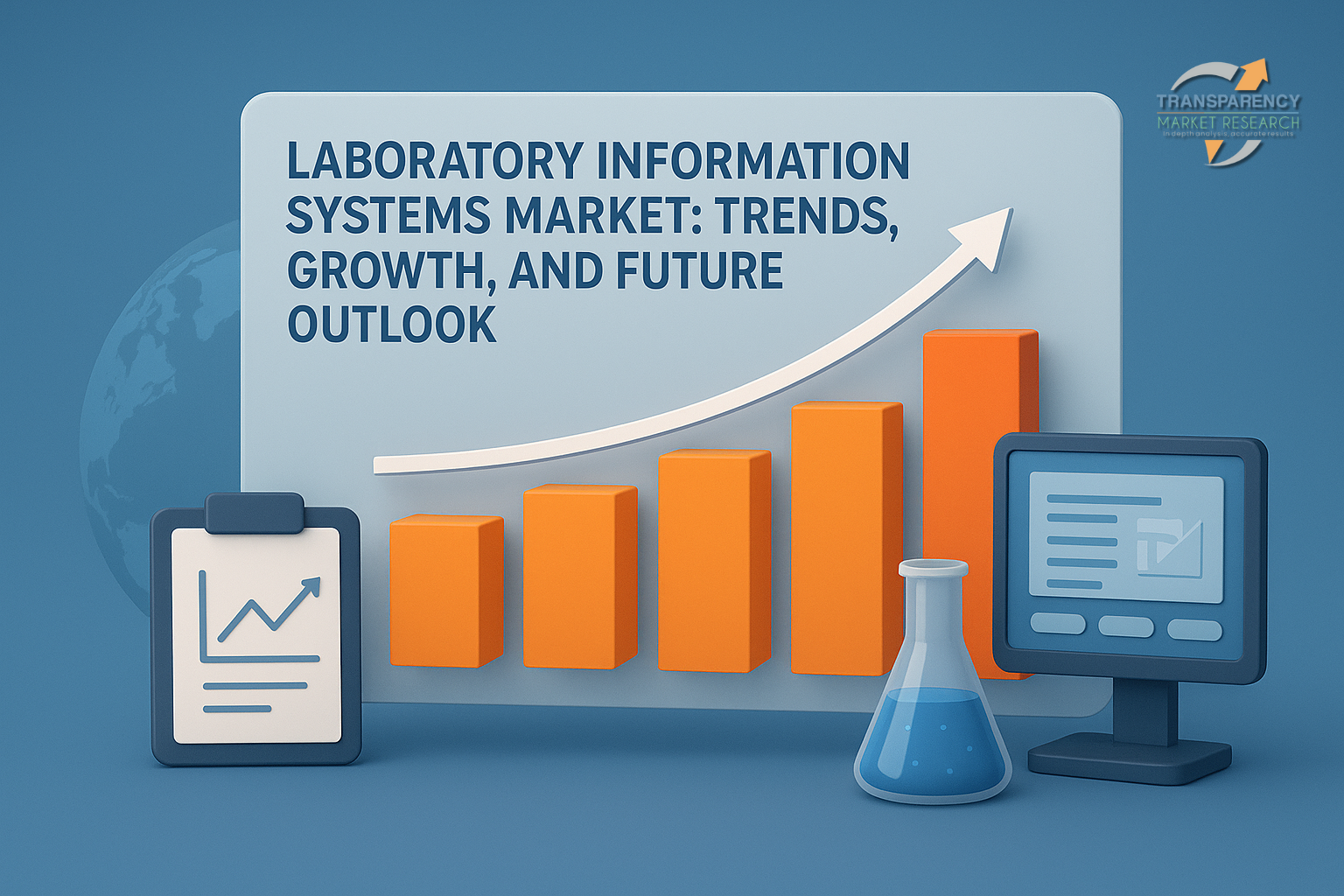
Global Laboratory Information Systems industry was worth US$ 3.3 Bn in 2024. It is expected to register a CAGR of 12.5% between 2025 and 2035 and reach US$ 10.6 Bn by 2035.
Analysis of Laboratory Information Systems Market Key Players
Thermo Fisher Scientific Inc., Siemens, LabVantage Solutions Inc., LabWare, Oracle, STARLIMS Corporation, Autoscribe Informatics, Illumina, Inc., CloudLIMS, McKesson Medical-Surgical Inc., LabLynx, NovoPath Laboratory Information System, LABTRACK, and Ovation are a few key players in the international laboratory information systems market.
Key Market Drivers
1. Increase in Diagnostic Testing:
The increasing prevalence of chronic disorders such as cancer, diabetes, and cardiovascular disease worldwide has led to the need for advanced diagnosis. LIS enables laboratories to process large volumes of tests with ease and deliver reliable results to clinicians.
2. Technology Advancements:
Incorporation of AI, big data analytics, and cloud platforms in LIS solutions has transformed laboratory operations. The technologies support predictive diagnostics, better reporting, and interoperability among multiple facilities.
3. Compliance with Regulations
Conformity to regulatory codes such as HIPAA in the U.S. or GDPR in Europe implies that laboratories need to put in place secure information systems that encrypt data and provide for traceability.
Market challenges
Although the development curve for the LIS market is strong, many problems remain:
- Highs Implementation costs: Small laboratory and research institutes struggle to support the costs of installing advanced LIS solutions.
- Integration problems: The inheritance system in most laboratories cannot easily be integrated with modern LIS systems and cause disabilities.
- Data security problems: With cloud -based LIS infection, research data from the security and cyber attack of sensitive patient becomes increasing concern.
- User training: The successful application of LIS depends on trained personnel who can effectively serve the system, and the lack of proper training can act as a moist.
Regional insight
- North America: The largest market, well -developed health service infrastructure, operated by state support and extensive use of sophisticated technology.
- Europe: Strong growth from strict regulatory requirements and increasing requirements for advanced diagnosis.
- The Asia Pacific: Increased health care expenses, pharmaceutical and biotechnology are expected to be the fastest growing sector due to state initiative in countries such as China and India.
- Latin America and Middle East and Africa: Emerging economies with increasing awareness of digital health solutions, but are interrupted by the challenges of infrastructure.
Competitive landscape
The LIS market is very competitive, where companies focus on innovation to merge, coalition and get market strength. For example:
- Thermo Fisher Scientific connects its portfolio by incorporating solutions that complement laboratory units.
- Siemens utilizes its strong presence in the health care system to offer advanced LIS systems for hospitals and clinical laboratories.
These players spend more on R&D to operate interoperability, security and user experiences to meet the needs of the industry that develop their offers.
Future trends
Over the coming years, the LIS market will experience gambling trends:
- Cloudy: Cloud Lis will be mainstream due to scalability, cost savings and remote access.
- AI and predictive analysis: implementation of AI will allow laboratories to predict test patterns, optimize the distribution of resources and provide more accurate diagnosis.
- Mobile access: The demand for an increase in the skilled LIS solutions for mobile will increase, with medical professionals, at any time, will be able to see laboratory information anywhere.
- Electronic health items (EHR) Integration: Spontaneous data transfer from LIS to EHR system will increase patient treatment and prevent repetition of testing.
conclusion
The laboratory information system market is on the threshold for a favorable development path, which is inspired by the requirement to increase clinical requirements, technology development and digital health solutions.The market should grow by over three times its current size by 2035, offering substantial opportunities to current players and new entrants alike. But driving past challenges of cost, data security, and integration will be key to sustained success.
As laboratories around the world continue to evolve, LIS will be at the forefront of modern diagnostics and research, offering efficiency, accuracy, and compliance in an increasingly data-driven healthcare landscape.