With the growing healthcare infrastructure and development in medical science, medical professionals have been able to employ cutting-edge practices to uplift human life expectancy. Various techniques and methods have been identified that ensure human life space exceeds the average life span.
However, with the growing prevalence of various diseases and disorders, the need for newly introduced techniques and methods is growing. The increasing number of patients requires different methods like DNA sequencing, which will arrest the spread of harmful viruses like cancer.
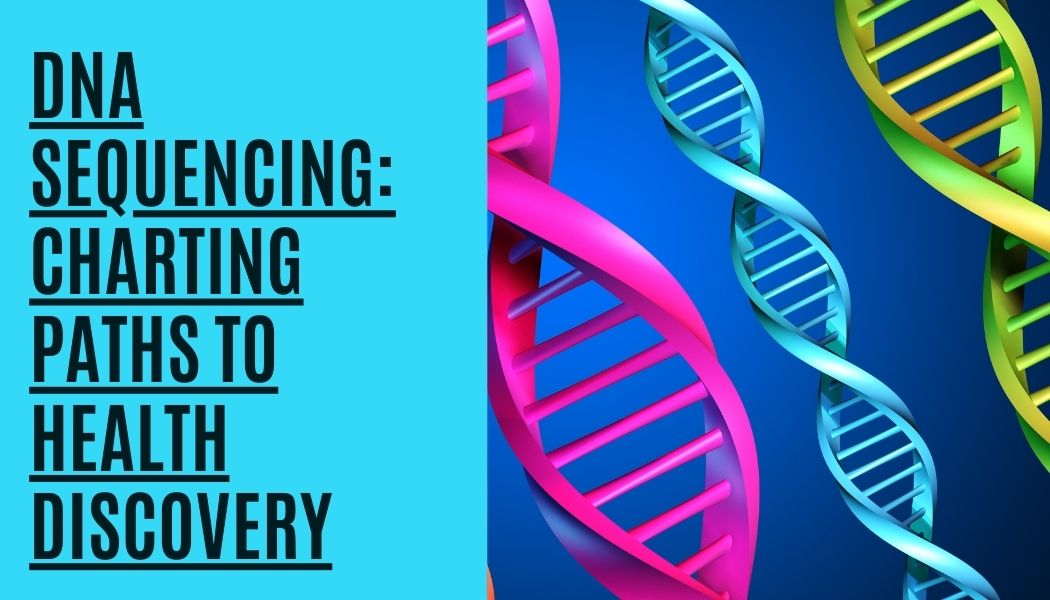
Such factors elevate the scope of the global DNA sequencing market. Let us delve into the details of DNA sequencing and find out how it is interlinked to many factors.
Is Prevalence of Cancer Driving Industry Demand?
With the growing number of cancer patients worldwide, the necessity of rapid treatments has spurred. The primary stage of such treatments is to identify the infected site in the human body, which can be followed by suitable treatment.
Recognizing this site at first is a key step in suggesting an appropriate treatment for cancer. DNA sequencing is a key tool that demonstrates an understanding related to the cell behavior at the infected site.
The malfunctioning in the body, the traits of DNA, and the changed behavior are key aspects predicted by the method. Due to this, the demand for the method will likely increase. Similar to cancer, various other chronic diseases can be effectively resolved by identifying the infected site through this technique.
Why Does the Geriatric Population Need DNA Sequencing?
The growing geriatric population across the world creates opportunities for DNA sequencing. The main reason behind this is that the ability to trace the activity of DNA samples in old age gives a precise idea regarding any deformities in the body.
Such an idea helps the medical practitioner suggest a suitable treatment that can reduce cell aging and alter DNA activity. This improves the life expectancy of an individual.
With more efforts being taken to increase the life span, DNA sequencing will be a key tool for the geriatric population. Such factors, therefore, will likely drive the demand in the global industry.
DNA Sequencing and Health Issues
The contemporary world is facing many health issues due to changing lifestyles. Including chronic diseases like cancer, people are facing issues like reproductive health damage, personal health issues, and many other problems.
Many times, such disorders remain unnoticed and adversely impact the physical as well as psychological impact on an individual. DNA sequencing helps an individual diagnose such techniques effectively, which elevates the quality of life and improves the health of a person. Such factors will likely boost the demand for DNA sequencing, and such drivers will fuel the market growth in the upcoming period.
Conclusion
From the above analysis, one can easily predict the closeness of DNA sequencing and cancer treatments. With the growing prevalence of cancer patients, the demand for DNA sequencing is expected to rise.
A similar situation can be observed in the case of the growing senior population. With the growing age, various health issues are induced, affecting health. To increase life expectancy, the urge to choose a method like DNA sequencing can be observed.