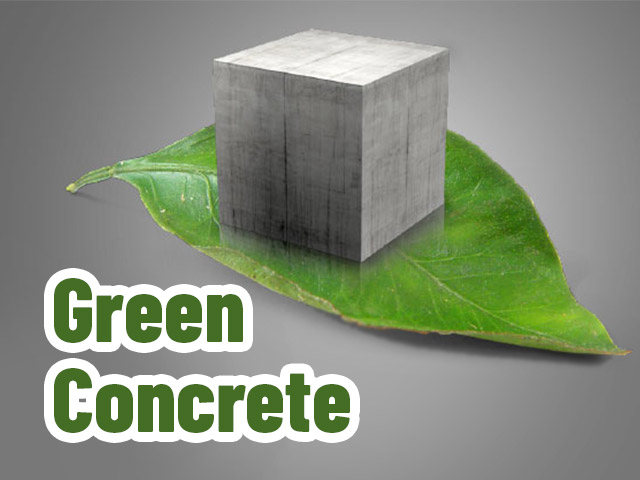
Industries worldwide strive to reduce their environmental impact through innovative solutions to achieve a more sustainable and eco-friendly future. In the construction sector, green concrete is one such solution that is increasingly gaining traction as a new and more sustainable way to build.
Despite its important role in modern infrastructure, traditional concrete emits significant amounts of greenhouse gases. This blog post explores green concrete performance, durability, and impact on environment as they unravel their depths. With its environmentally friendly composition, green concrete is a promising alternative, offering the promise of revolutionizing the construction industry.
As the backbone of modern infrastructure, concrete has historically been a major material used in the construction industry. Although traditional concrete poses inherent environmental problems, primarily due to its high carbon footprint during production, it is time to reevaluate its use in the future. Concrete produced with green materials and manufacturing processes represents a paradigm shift in sustainable construction, addressing the detrimental effects of conventional concrete on the environment.
Creating a Greener World
Compared to traditional concrete, green concrete reduces carbon emissions significantly. Global CO2 emissions are largely caused by cement production’s chemical processes, which produce a lot of CO2. This issue is addressed by green concrete, which combines fly ash and slag with concrete to reduce the need for traditional cement and repurpose waste materials.
Aggregates made from Recycled Materials
Concrete aggregates made from crushed concrete and reclaimed asphalt pavement are also important components of green concrete. Green concrete minimizes the environmental impact of mining natural aggregates by repurposing waste material from construction and demolition sites. By doing so, natural resources are conserved, as well as landfill space is reduced.
Performance and Durability
Performance and durability are equally important considerations when considering green concrete’s environmental benefits. Concrete made from green materials exhibits properties similar to or even greater than those of traditional concrete. Cementitious materials can be incorporated into concrete to enhance its strength and durability, enhancing its use in a variety of construction projects.
Production Technique Innovation
Innovative production techniques, along with alternative materials, enhance concrete’s green credentials. Optimizing manufacturing processes by using energy-efficient kilns and reducing water consumption improves the sustainability of the construction industry and concrete’s environmental profile.
Future Challenges and Prospects
There are still challenges associated with green concrete, even though the adoption of the material is rapidly growing. The need for standardized regulations, resistance to change, and cost considerations are all hurdles that must be overcome.
Although technology is advancing and environmental awareness is increasing, the future of green concrete looks promising. Sustainable building materials are promoted and encouraged by governments, architects, and developers.
Conclusion
Concrete that is made with green materials represents an important step towards making construction a more sustainable industry that is more environmentally conscious. Green concrete uses recycled materials and optimizes manufacturing techniques, thereby reducing the carbon footprint and addressing the downsides of using traditional concrete.
With the rise of awareness and the rapid development of new technology, there is a real possibility that the widespread use of green concrete can reshape how communities build, enhancing sustainability and resilience.