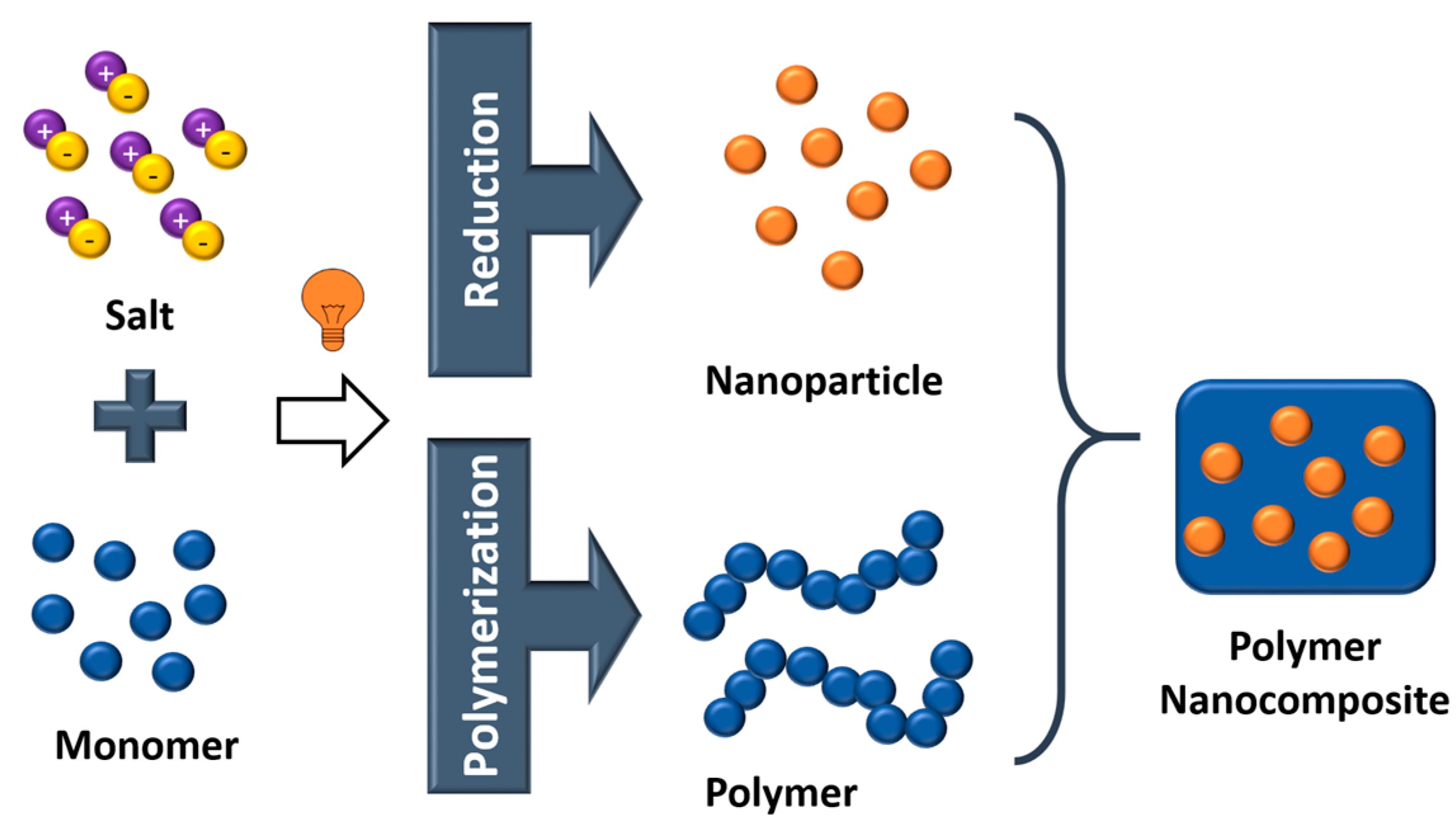
A revolutionary advancement in materials science, carbon nanofiber and nanocomposites are poised to revolutionize various industries. Many nanoscale materials are reshaping the technology and engineering landscape worldwide. These materials are characterized by their nanoscale dimensions and unique properties. Embark on a journey to discover how CNF interacts with nanocomposites synergistically.
A key contributor to the landscape of innovation in diverse industries, carbon nanofibers (CNFs) have emerged as extraordinary contributors to advanced materials. Scientists and engineers are experimenting with these tiny structures because they are strong, conductible, and versatile.
Carbon Nano Fiber (CNF) and Nanocomposites
Carbon nanofiber, a nanotechnology product, boasts minuscule dimensions and unmatched properties. CNF is extremely strong, stiff, electrically conductive, and thermally stable on a nanometer scale. Combining these attributes makes CNF an excellent choice for next-generation devices and materials.
Nanocomposites combine CNF with other nanomaterials and diverse matrices and are the epitome of customized functionality. A nanocomposite obtained through the nanoscale blending CNF with plastics, ceramics, and metals exhibits synergistic properties beyond those of its constituent parts. Engineering applications benefit from this unique combination of materials.
Applications of CNF and Nanocomposites
With its strength, durability, and lightweight characteristics, CNF offers a strong and lightweight structural component for the aerospace industry. Through the development of lightweight composites, the automotive industry utilizes CNF to reduce emissions and increase fuel efficiency. CNF-based electrodes and coatings drive electronics, energy storage, and renewables advances.
The multifaceted capabilities of nanocomposites make them useful in many fields, from biomedical implants to environmental remediation systems. A nanocomposite can be used as a scaffold for tissue engineering, as a drug delivery vehicle, and as a diagnostic tool in biomedicine, allowing the use of nanotechnology in healthcare to be greatly enhanced. Nanocomposites are also used to purify water, filter air, and generate renewable energy, contributing to environmental sustainability.
Carbon nanofibers are revolutionizing energy storage in the energy sector. In the development of high-performance batteries and supercapacitors, they are essential due to their large surface areas and excellent electrical conductivity. Due to these faster charging and discharging times, electronic devices and electric vehicles can develop more energy-efficient energy storage systems.
Conclusion: CNF and Nanocomposites are the Future
Carbon nanofiber and nanocomposites will form a symbiotic relationship in the future that will drive technological advancement and innovation. The extraordinary properties and wide range of applications of these nanomaterials have the potential to lead to new products and technologies in engineering, healthcare, and the environment. The wonders of nanotechnology will redefine the boundaries of possibility through interdisciplinary collaboration and relentless exploration.
Researchers are trying to develop scalable methods of producing these nanomaterials to meet growing demand. Several advancements are underway that will allow their properties to be fine-tuned to suit a wide range of specialized application areas, such as healthcare and environmental restoration.
Many fields will use CNFs, growing the need for regulations and ethical considerations. Responsible and safe usage will be essential for CNFs to become widespread and integrated into everyday applications, particularly in the healthcare and environmental sectors.


