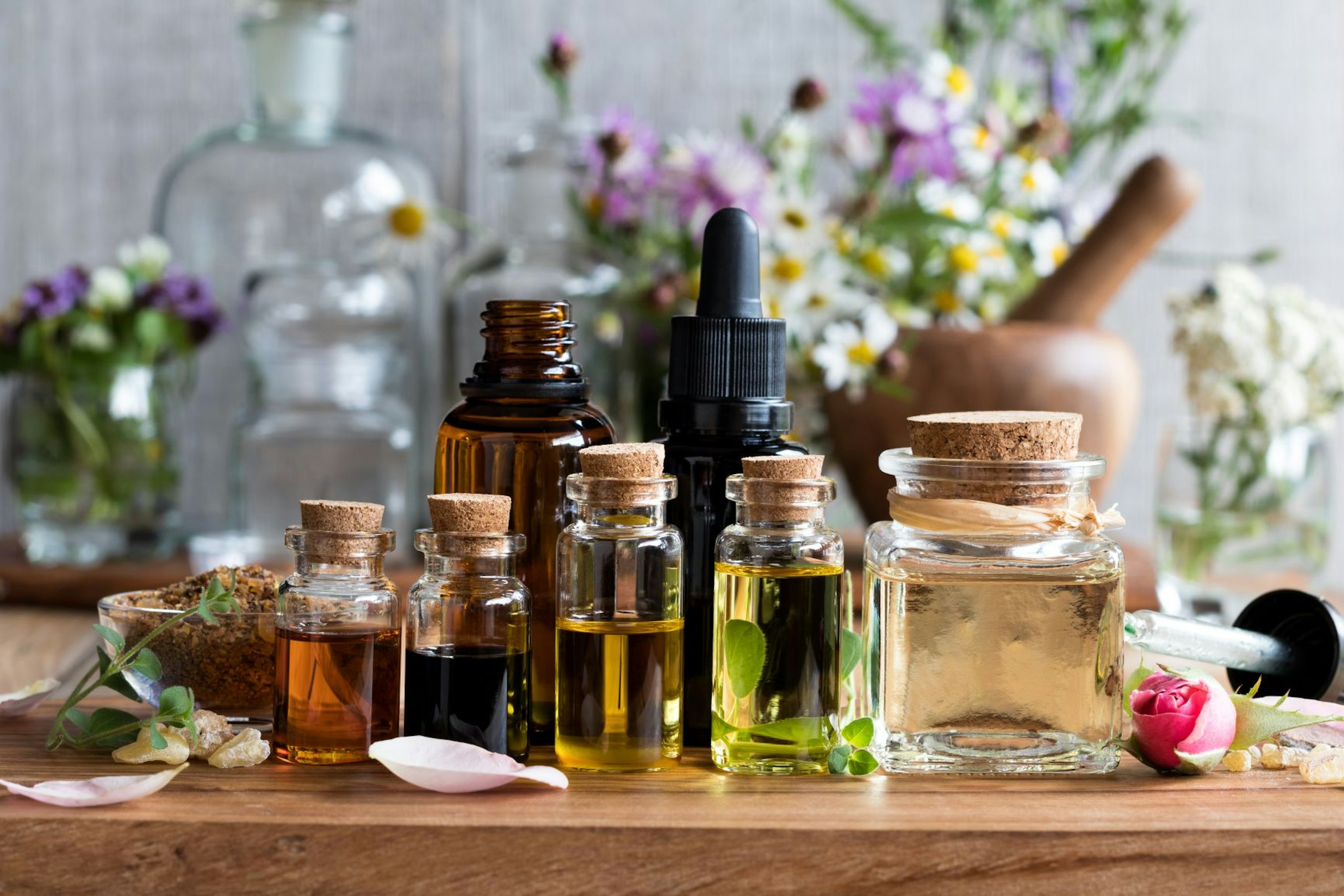
Pest management has long been one of the most challenging aspects of agriculture and horticulture. Natural alternatives to conventional pesticides are becoming increasingly popular as environmental sustainability and human health concerns grow. As organic pest control solutions, essential oils have emerged as formidable competitors for their aromatic properties and therapeutic properties.
Nature’s defensive arsenal against pests and pathogens is encapsulated in essential oils, which are extracted from plants meticulously. Their volatile compounds contain a wealth of unique qualities that repel, deter, and even eradicate unwanted invaders. With their efficacy in protecting crops, gardens, and homes, essential oils have earned a reputation of ancient wisdom to modern scientific scrutiny.
This article explores essential oils‘ principles, mechanisms, and applications as organic pesticides. The practices aim to use the botanical bounty of nature in a way that harmonizes with the rhythms of nature, these practices aim to create a healthier, greener pest management environment.
The use of essential oils in organic pest management is rapidly gaining traction in the modern agricultural industry, which strives for environmental responsibility, technological advancement, and sustainability. Aromatherapy and wellness have long been associated with essential oils, which are now being recognized as valuable alternatives to synthetic pesticides because of their bioactive properties. As organic pesticides, essential oils have transformed agriculture practices and are being used as organic pesticides in advanced applications.
Innovative formulations and delivery systems have been developed through advancements in essential oil research and technology. Through nanoemulsion technology, essential oils can be stabilized, dispersed, and penetrated into plant tissues while encapsulated within nanosized particles. The highly advanced formulation approach utilized in this product is aimed at increasing the bioavailability of essential oil actives, extending their activity as organic pesticides for longer periods of time, and improving their efficacy.
Concerns and Challenges
Even though essential oils are often regarded as organic pesticides, there are a few things to keep in mind when using oil as an organic pesticide:
Effectiveness- The effectiveness of essential oils may vary depending on several factors such as amounts applied, application methods, species of pests, and concentration. Depending on the level of resistance developed by certain pests over time, certain control methods may need to be rotated or combined with others.
Persistence- In outdoor environments, oils may degrade slowly due to light, rain, and microorganisms, requiring frequent reapplication since sunlight, rain, and microorganisms can exacerbate the degrading process.
Allergies and Sensitivities– In case of allergies and sensitivities some individuals may suffer from allergies or sensitivities to essential oils. To avoid any potential reactions, testing a small area on a sensitive surface or area is extremely important.
Conclusion
Using essential oils for pest control is a natural, sustainable way to eliminate or repel pests without harming the environment. Aromatic extracts are widely recognized as an eco-friendly alternative to synthetic pesticides in agricultural, gardening, and household settings, leading to a healthier environment and living conditions. Incorporating nature’s wisdom can make humans and the planet more harmonious while protecting our planet’s health and vitality.
Essential oils will continue to play an increasingly prominent role in shaping crop production and pest management in the future as consumers demand alternative methods of pest control and crop production. Integrating pest management strategies requires the use of bioactive compounds and eco-friendly attributes owing to their advanced bioactive properties and eco-friendliness. Agricultural practices will continue to be revolutionized by essential oils as research, innovation, and collaboration continue to lead to sustainable solutions.


