The emergence of 5G technology has catalyzed transformative changes across various sectors, and healthcare is no exception. Among the myriad applications of 5G, its integration into robotic surgery stands out as a groundbreaking advancement, particularly in the treatment of gastric cancer.
In this editorial blog, we explore the revolutionary potential of 5G-enabled robotic surgery and its impact on gastric cancer treatment.
Gastric Cancer: A Looming Health Crisis
Gastric cancer remains one of the most challenging cancers to treat, accounting for a significant portion of cancer-related deaths worldwide. Despite advancements in diagnosis and treatment modalities, the prognosis for gastric cancer patients often remains poor, with late-stage diagnoses and limited therapeutic options contributing to high mortality rates.
The Role of Robotics in Surgery
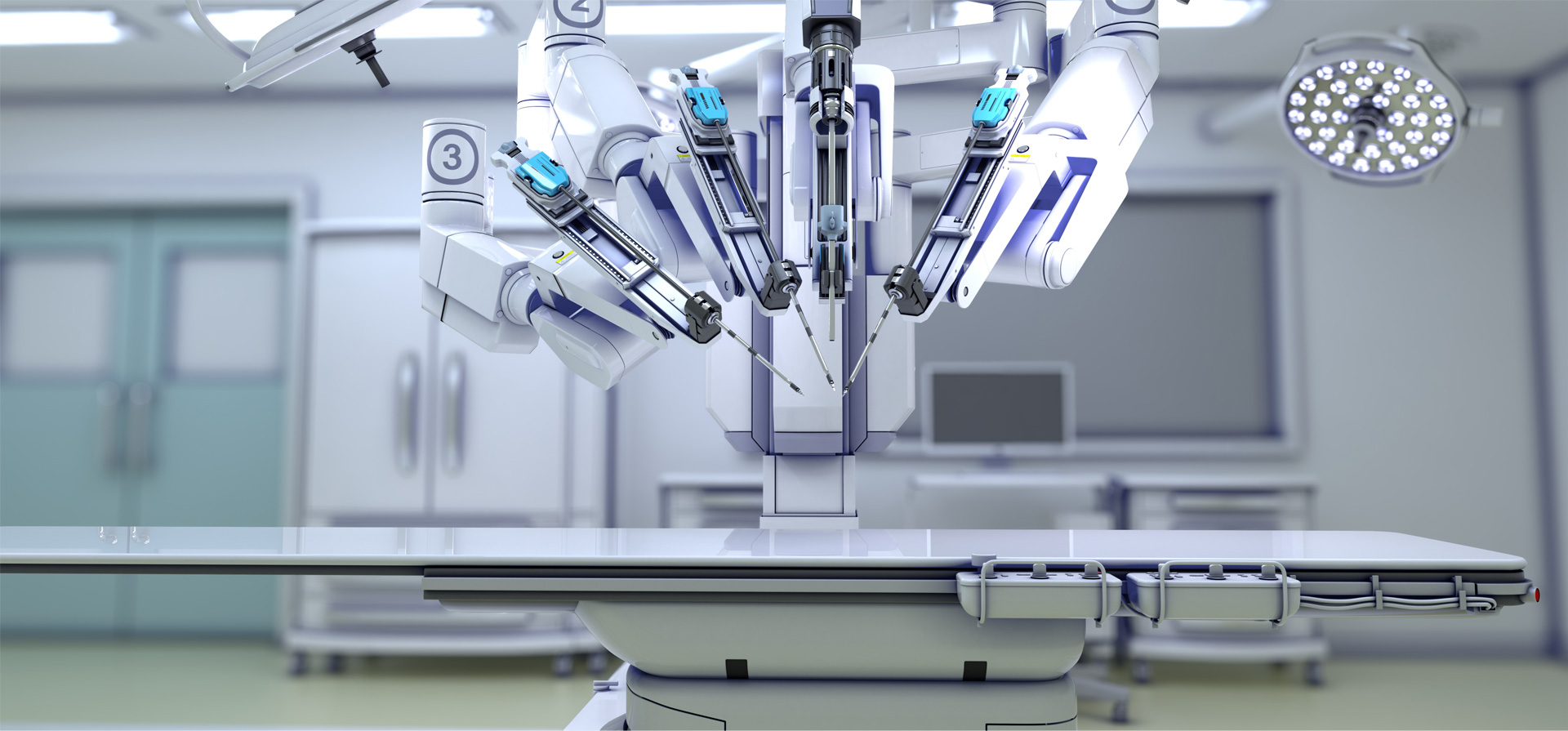
Robotic surgery has emerged as a transformative technology in the field of surgical oncology, offering precision, dexterity, and minimally invasive techniques that enhance patient outcomes and recovery times.
Traditional laparoscopic surgery, while effective, has limitations in terms of maneuverability and haptic feedback. Robotic-assisted surgery addresses these limitations by providing surgeons with enhanced visualization and control, leading to more precise surgical interventions.
The Promise of 5G Technology
The integration of 5G technology into robotic surgery represents a paradigm shift in healthcare delivery. With its ultra-low latency and high-bandwidth capabilities, 5G enables real-time communication and data transfer, unlocking new possibilities for remote surgery and telemedicine. In the context of gastric cancer treatment, 5G-enabled robotic surgery offers several distinct advantages:
- Enhanced Connectivity and Communication: The high-speed, low-latency nature of 5G networks facilitates seamless communication between surgical teams, regardless of geographical distance. Surgeons can remotely control robotic systems in real-time, enabling collaboration with specialists located in different regions. This level of connectivity enhances interdisciplinary cooperation and expands access to expert medical care, particularly in underserved areas.
- Precision and Accuracy: 5G-enabled robotic systems offer unparalleled precision and accuracy in surgical maneuvers, allowing surgeons to perform intricate procedures with greater confidence and control. The enhanced haptic feedback and responsiveness of robotic instruments enable delicate tissue dissection and suturing, minimizing the risk of complications and improving postoperative outcomes for gastric cancer patients.
- Remote Monitoring and Assistance: In addition to facilitating remote surgery, 5G technology enables real-time monitoring of patient vitals and surgical parameters during robotic procedures. Surgeons can monitor surgical progress and intervene promptly in the event of unexpected complications, ensuring optimal patient safety and procedural success. Furthermore, remote assistance capabilities empower less experienced surgeons to seek guidance from experts, fostering continuous learning and skill development within the medical community.
- Data Analytics and Artificial Intelligence: The integration of 5G networks with advanced analytics and artificial intelligence (AI) algorithms enhances decision-making and procedural planning in robotic surgery. Real-time data analytics enable predictive modeling of surgical outcomes and personalized treatment strategies, optimizing the delivery of care for gastric cancer patients. AI-driven insights also contribute to the refinement of surgical techniques and the development of adaptive robotic systems that respond dynamically to patient anatomy and pathology.
Challenges and Considerations
While the potential benefits of 5G-enabled robotic surgery are vast, several challenges and considerations must be addressed to ensure safe and effective implementation:
- Regulatory Frameworks and Standards: The integration of 5G technology into healthcare necessitates robust regulatory frameworks and standardized protocols to govern its use in surgical practice. Regulatory bodies must establish guidelines for the safe deployment of 5G-enabled robotic systems, addressing issues related to patient privacy, data security, and system reliability.
- Training and Education: The adoption of 5G-enabled robotic surgery requires comprehensive training and education for healthcare professionals, encompassing both technical proficiency and clinical decision-making skills. Surgeons and support staff must undergo rigorous training programs to familiarize themselves with the nuances of remote surgical procedures and the unique challenges posed by 5G-enabled technologies.
- Infrastructure and Resource Allocation: The widespread implementation of 5G-enabled robotic surgery necessitates significant investments in infrastructure and resource allocation. Healthcare facilities must upgrade their telecommunications networks and invest in state-of-the-art robotic platforms to support the integration of 5G technology. Moreover, equitable access to 5G-enabled surgical services must be ensured to mitigate disparities in healthcare delivery.
- Ethical and Legal Implications: The advent of 5G-enabled robotic surgery raises complex ethical and legal considerations regarding patient consent, liability, and professional accountability. Healthcare providers must navigate these issues thoughtfully, upholding ethical principles and legal standards while harnessing the transformative potential of 5G technology to benefit patient care.
Conclusion: Shaping the Future of Gastric Cancer Treatment
In conclusion, 5G-enabled robotic surgery heralds a new era in the treatment of gastric cancer, offering unprecedented levels of precision, connectivity, and innovation. By leveraging the capabilities of 5G technology, surgeons can perform complex procedures with greater confidence and efficiency, ultimately improving patient outcomes and quality of life.
As the field of robotic surgery continues to evolve, collaboration among healthcare stakeholders, regulatory bodies, and technology developers will be crucial in overcoming challenges and realizing the full potential of 5G-enabled surgical interventions. By embracing innovation and prioritizing patient-centered care, we can pave the way for a future where gastric cancer is not only treatable but preventable, marking a significant milestone in the fight against cancer.