The COVID-19 pandemic has presented unprecedented challenges across various sectors, and waste management is no exception. As the world grapples with the health crisis, the management of waste, particularly medical waste and household waste has become increasingly complex.
While the pandemic has indeed brought unique hurdles to waste management, it has also shed light on opportunities for innovation and resilience within the industry.
The Impact on Medical Waste Management
One of the most immediate concerns arising from the pandemic is the surge in medical waste generation. Hospitals, clinics, and testing centers are generating a significantly higher volume of infectious waste, including used personal protective equipment (PPE), disposable masks, and contaminated materials. This influx of medical waste poses challenges in terms of storage, transportation, and proper disposal, especially in regions with limited infrastructure.
The handling of medical waste requires strict adherence to safety protocols to prevent the spread of infections among waste management workers and the general population. However, the sudden increase in medical waste volume has strained existing waste management systems, leading to concerns about potential lapses in handling and disposal procedures.
Challenges in Household Waste Management
In addition to medical waste, the pandemic has also impacted household waste management. With lockdowns and restrictions in place, many people have been spending more time at home, resulting in increased household waste generation.
The closure of recycling centers and waste collection facilities during the initial stages of the pandemic further exacerbated the situation, leading to overflowing bins and uncollected waste in some areas.
Moreover, the shift towards online shopping and food delivery services has contributed to a rise in packaging waste, including cardboard boxes, plastic packaging, and single-use containers. While these measures were necessary to prevent the spread of the virus, they have underscored the need for innovative solutions to manage the growing volume of household waste sustainably.
Strain on Waste Management Infrastructure
The sudden surge in waste generation, coupled with disruptions in waste management operations, has strained existing infrastructure and resources. Many waste management facilities have faced challenges in maintaining operational capacity while adhering to social distancing guidelines and ensuring the safety of their workers.
Furthermore, the financial strain caused by the pandemic has forced some municipalities and waste management companies to reassess their budgets and prioritize essential services. This has led to delays in infrastructure upgrades, equipment maintenance, and waste diversion programs, further complicating the management of waste streams.
Opportunities for Innovation and Adaptation
Despite the challenges posed by the COVID-19 pandemic, there are opportunities for innovation and adaptation within the waste management sector. The crisis has prompted governments, organizations, and industry stakeholders to explore new technologies and strategies to improve waste management practices and enhance resilience in the face of future crises.
One area of focus is the development of advanced waste sorting and recycling technologies that can streamline the processing of recyclable materials and reduce reliance on landfilling. Innovations such as artificial intelligence (AI), robotics, and sensor-based sorting systems hold the potential to revolutionize waste sorting processes and increase the efficiency of recycling operations.
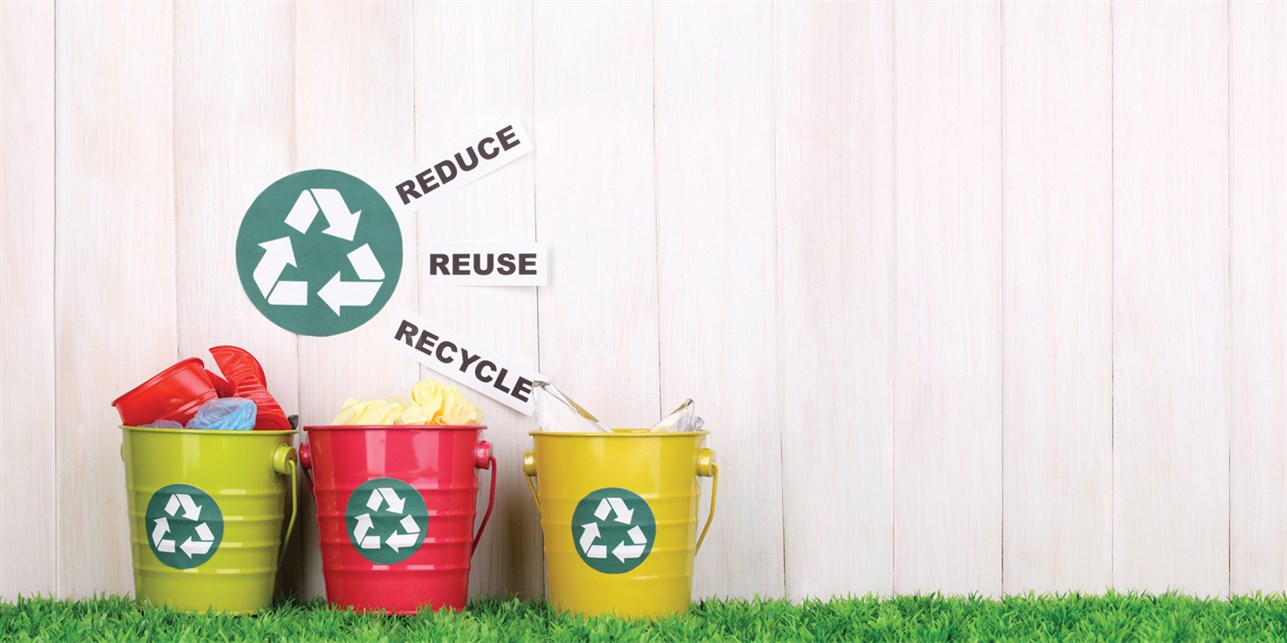
Furthermore, there is growing interest in the implementation of circular economy principles to minimize waste generation and promote resource conservation. By adopting a circular approach to waste management, materials can be recovered, recycled, and reintegrated into the production process, reducing the need for virgin resources and mitigating environmental impacts.
Community Engagement and Education
Effective waste management during the COVID-19 pandemic and beyond requires active participation and engagement from the community. Public education campaigns on waste reduction, recycling, and proper disposal practices can help raise awareness and encourage responsible behavior among individuals and households.
Community-driven initiatives, such as neighborhood clean-up events and recycling drives, can foster a sense of environmental stewardship and collective responsibility for waste management. By empowering communities to take ownership of their waste management practices, municipalities and local authorities can foster a culture of sustainability and resilience.
Collaborative Partnerships and Stakeholder Engagement
Addressing the challenges posed by the COVID-19 pandemic requires collaborative partnerships and stakeholder engagement across the waste management ecosystem. Governments, industry stakeholders, non-profit organizations, and academic institutions must work together to develop holistic solutions that address the multifaceted nature of the waste management crisis.
Public-private partnerships can play a crucial role in leveraging resources, expertise, and technology to strengthen waste management infrastructure and improve operational efficiency. By fostering collaboration and knowledge sharing, stakeholders can identify innovative approaches and best practices that drive positive change in waste management systems.
Conclusion:
The COVID-19 pandemic has undoubtedly posed significant challenges to waste management systems worldwide. From the surge in medical waste to the disruptions in household waste collection, the crisis has tested the resilience and adaptability of waste management infrastructure.
However, amidst the challenges lie opportunities for innovation, collaboration, and sustainable development. By embracing technological advancements, fostering community engagement, and forging collaborative partnerships, the waste management sector can navigate the path forward and emerge stronger and more resilient in the post-pandemic era.
As we continue to confront the complexities of waste management in the wake of the COVID-19 pandemic, it is essential to prioritize environmental sustainability, public health, and social equity. By working together towards shared goals, we can build a more sustainable and resilient future for generations to come.