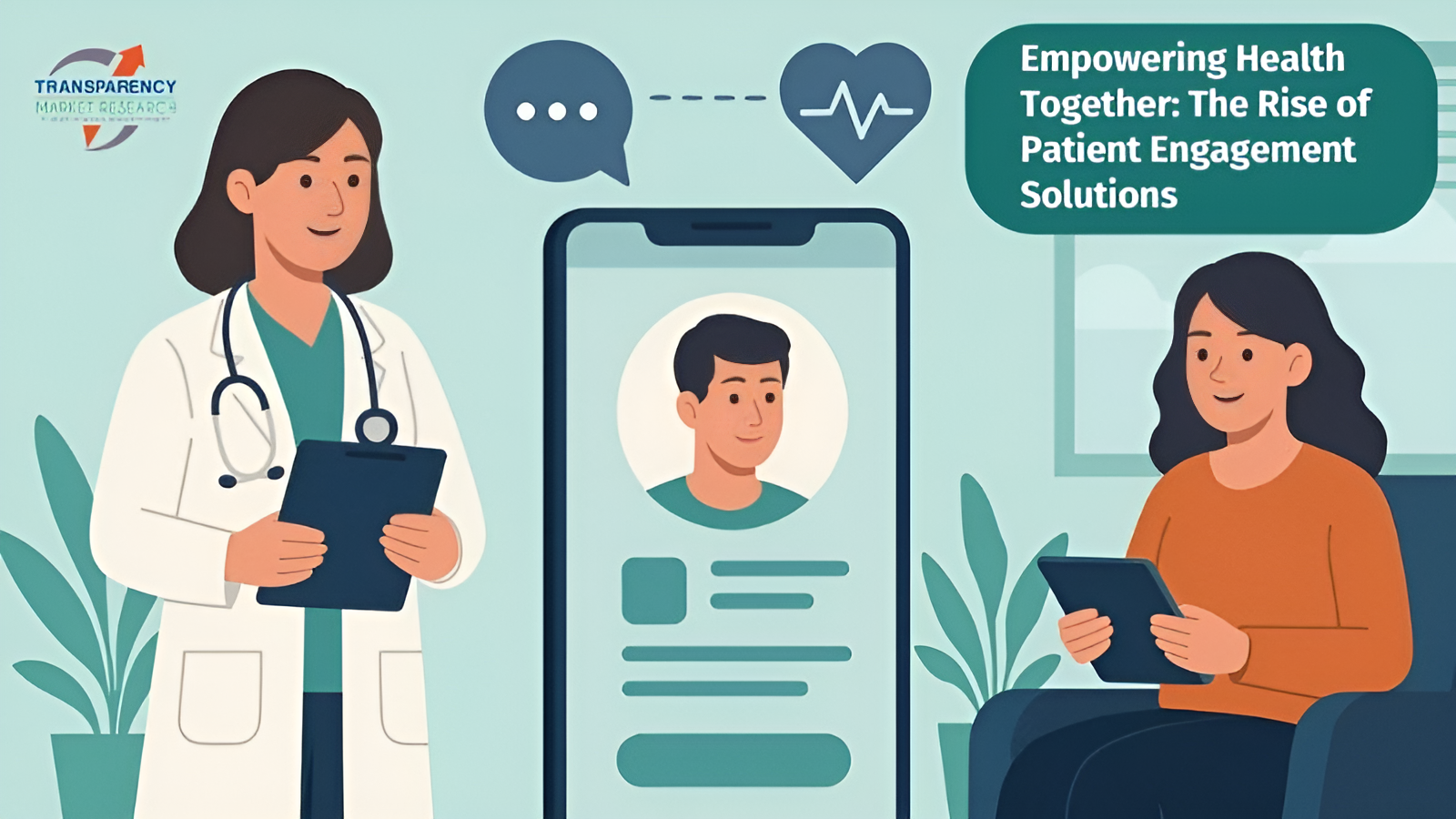
In this fast-paced, technology-based world, there is something we all yearn for in healthcare: connection. We must be heard, we must be understood, and we must be engaged. Days when patients were simply passive recipients of care, reclining as physicians dictated action, are in the past. Today, we are entering an era where patients are co-creators of their own well-being. Join the age of Patient Engagement Solutions — where healthcare intersects with empathy, empowerment, and innovation.
What are Patient Engagement Solutions?
Essentially, patient engagement is just that: engaging patients in their own care. But it’s not a trend. It’s a movement. It’s about creating tools, platforms, and methodologies that allow individuals to be in control of their health, communicate better with providers, and make informed decisions.
Here’s a definition: when you get a fitness tracker and start interacting with your steps, sleep, and heart rate, you’re interacting with your health. When you log in to a patient portal to see lab results or send a message to your physician, that’s interaction. When a mobile app reminds you to take your medication or educates you about a new diagnosis, that’s a solution in action.
A Thriving Business Backed by Numbers
It’s not just providers and patients paying heed — the numbers are speaking for themselves. The global patient engagement solutions market was valued at a staggering USD 23.9 billion in 2024. And the trend is set to continue with no signs of abating. Experts predict it to grow at a compound annual growth rate (CAGR) of 14.0% from 2025-2035, ultimately reaching a staggering USD 104.6 billion by 2035.
Why is Patient Engagement So Important?
Let’s get real — healthcare is complex. It can be confusing, filled with jargon, and too often, it’s not personal. But again and again and again, research shows that when patients are more engaged in their care, results improve. We’re talking about reduced hospital readmissions, better control of chronic disease, and even better patient and provider satisfaction.
Engaged patients are:
- More likely to follow treatment regimes
- Better at managing chronic conditions like diabetes or hypertension
- More proactive about preventive care
- Happier and more confident in their care decisions
That is, engagement is not just a touchy-feely idea — it’s a down-to-earth one with real-world implications.
The Technology Behind the Change
Let’s examine the toolbox. Patient engagement solutions take a lot of different shapes, and they’re not all one-size-fits-all. Here are a couple of examples that are causing waves currently:
- Patient Portals
These internet portals allow patients to access their medical record, schedule appointments, request refills on medications, and communicate with their health care providers. They’re a convenient but powerful way to reach and teach patients.
- Mobile Health Apps
There’s an app for all — from monitoring mental health to monitoring blood glucose levels. The best ones are easy, customizable, and integrate well with electronic health records.
- Telehealth
Telehealth was a lifeline for so many throughout the pandemic. Today, it remains a big player in keeping patients engaged, especially for follow-ups, routine check-ins, and therapy sessions.
- Wearable Devices
Smartwatches and fitness trackers are no longer just fashionable style items. They offer helpful health data — sleep, heart rate, steps — and will report back to the users (and, on occasion, doctors) if something is wrong.
- Educational Tools
Whether it’s a procedure video or an interactive training module on asthma management, educational content empowers patients with knowledge — and knowledge is power.
Real Stories, Real Impact
Let’s put it into practice with an example.
Hi, Sarah. She’s 52 and newly diagnosed with Type 2 diabetes. She was in shock initially — the diet, the medication, the fear of complications. Her physician introduced her to a chronic disease management patient engagement platform.
Through the platform, Sarah could:
- Discuss with her care team whenever she had a question
- Document her blood glucose and follow over time
- Watch short exercise and diet videos
- Remind her to take her medication and to monitor her levels
A few months in, Sarah wasn’t just healthier in body, but in mind as well. She felt in control. That’s the magic of engagement. It’s not about data and devices — it’s about people, feelings, and real-world impact.
Challenges along the Way
Of course, any change comes with some difficulties. Patient engagement solutions encounter a couple of significant difficulties:
- Digital Divide: Not everybody owns smartphones or has stable internet. Solutions have to be inclusive and flexible.
- Data Privacy: More health information online means security and privacy are imperative.
- Overload: Occasionally, too many reminders, alerts, or tools might have the opposite effect of empowering and end up frustrating.
- Change Resistance: Not all (patients or providers) are at ease with digital health tools. There has to be trust built.
Breaking down these barriers requires considered design, compassionate communication, and deep understanding of patients’ lives — not their illnesses.
The Role of Providers
Doctors, nurses, and medical teams remain at the forefront of patient care. But they are evolving. They’re no longer just healers — they are partners, teachers, and coaches. And they need the tools to be able to do this.
That’s why there are so many engagement platforms that offer provider dashboards, too, that indicate patient progress, alert to possible issues, and allow communication. It’s creating a two-way street where information moves freely and decisions are made with the patient, not to the patient.
The Future of Engagement
Tomorrow, the patient engagement future is bright — and highly personal. We can expect:
- Directly accessible AI-based chatbots for care and triage assistance
- Personalized care pathways according to genetics, preferences, and behavior
- Gamified health goals to make condition management more fun and motivational
- Virtual reality (VR) for pain management, therapy, and education
- Increased voice technology, choices that are now more available to disabled or elderly people But through all this innovation, there is one constant: the human factor.
Final Thoughts: It’s About People, Not Just Platforms
Ultimately, patient engagement solutions are not the technology. They’re human connection. They’re empathy, trust, and knowing. They’re about recognizing that each patient is a human being with hopes and fears, goals and history.
When we speak of engagement, we’re speaking of a cultural shift — one in which patients are heard, seen, and indeed engaged in their own care.
And whether it’s a quick text reminder, a compassionate conversation, or a cutting-edge dashboard, the mission is the same: to make healthcare more human, more connected, and more empowering for all.
Because when patients are included, all are benefited.