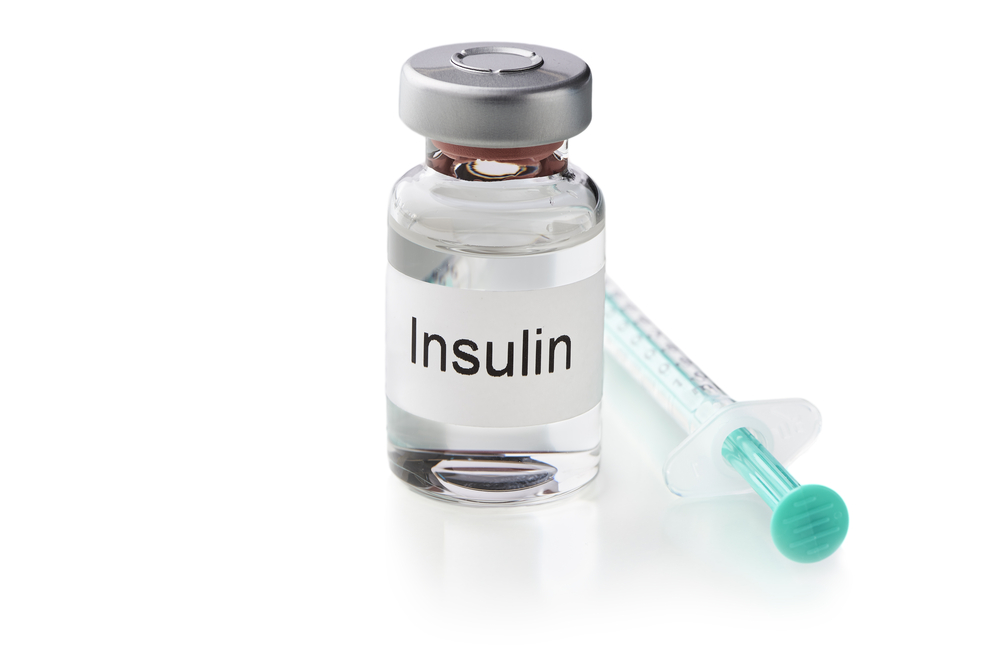
Insulin is a critical hormone that helps the body to control the glucose or sugar levels in the blood. One of the common phenomena related to insulin is insulin sensitivity. Many factors can lead to individual differences in insulin sensitivity.
Almost 38% of Americans above the age of 20 years have insulin sensitivity and these people with insulin resistance are more vulnerable to type-2 diabetes. It may be helpful for individuals having type 2 diabetes or those at risk to enhance their insulin sensitivity and reduce their insulin resistance. High insulin sensitivity reduces blood sugar by increasing the ability of body cells to use glucose from the blood. Some dietary and lifestyle changes can improve insulin sensitivity.
Apart from this, some of the innovations that have been taking place in the global insulin ecosystem are:
Connected CGM-Insulin Pumps
This kind of device is a combination of CGM-insulin pump, which allows the insulin pump to either execute the necessary alterations on its own or prescribe medication dose modifications based on the CGM data. Following FDA clearance in 2020, a combined continuous glucose meter (CGM) may now be connected to blood glucose monitors and insulin pumps, among other diabetes treatment tools.
By rapidly lowering blood sugar levels and reducing the amount of time individuals are exposed to potentially high blood sugar levels, the insulin pumps can help improve type 2 diabetes control.
Insulin Innovations
These days, insulin is readily available in a variety of forms that may be delivered with syringes, pumps, pens, and other types of devices. It can also be found in long-lasting, premixed, and rapid-acting formulations. In addition, there will be more advancements soon.
Insulin pens that remember the last dose and the time it was given, for instance, are now available for those who get busy or have a habit of skipping to take their insulin. As smart insulin pens do not require to be physically attached to the body and are less costly than insulin pumps, they nonetheless perform many of the same tasks.
Two innovations in the kinds of insulin available in the market are-
- Smart Insulin: Smart insulins represent a novel feature in diabetes care, having self-regulation dependent on real-time glucose readings. To maintain ideal blood sugar levels, these insulins automatically modify their activity.This improves overall blood sugar level management and reduces the chance of hypoglycemia. Owing to this innovation, insulin therapy is going to be more precise and practical, offering diabetics a more customized and adaptable management plan.
- Fiasp: Fiasp stands for “faster-acting insulin aspart,” developed by Novo Nordisk. This insulin is especially fast acting, having a quicker start as well as peak activity, and it helps diabetics better control their glucose levels after meals. It is made to more closely resemble the human body’s natural insulin response. Their faster bloodstream absorption mimics the body’s normal insulin response, allowing for more dosage flexibility and a lower chance of postprandial hyperglycemia. By providing faster-acting insulins, this invention improves diabetes care in its entirety.
Conclusion
Personalized techniques and state-of-the-art technologies will play a major role in the future of insulin sensitivity. Insulin dosage will be improved via AI applications, advanced closed-loop systems, as well as continuous glucose monitoring. Precision medicine will be essential in helping to better control diabetes and enhance the lives of people with insulin sensitivity issues by customizing therapies to each patient’s unique physiology.