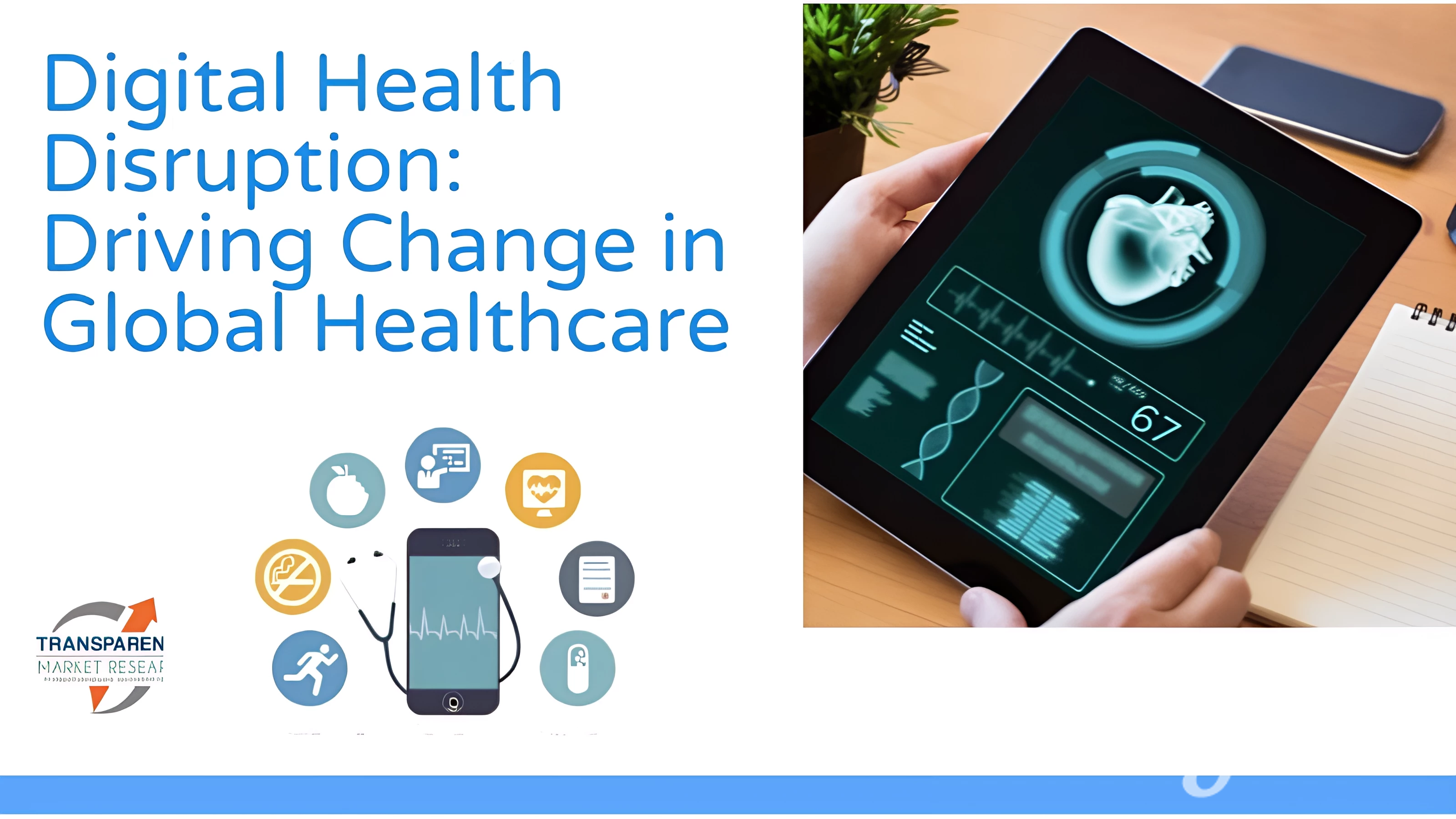
In a world where medical breakthroughs occur almost daily, the demand for knowledgeable, highly educated healthcare professionals has never been higher. From surgeons using augmented reality in the OR to nurses working with AI-based diagnostic devices, the medical field is no longer books and bones—it’s about innovation, velocity, and digital transformation. And at the forefront of this movement is medical education—an industry modestly leading the future of healthcare.
The medical education market is no longer confined within the four walls of the classroom. It is now a vibrant, technology-facilitated global ecosystem. As of 2024, this booming industry was worth US$ 83.2 billion, a reflection of its significant role in healthcare systems worldwide. But there’s more to it. The market is also set to expand significantly—between 2025 and 2035, it is set to expand at a CAGR of 10.2%, thus reaching a staggering US$ 247.0 billion by the close of 2035.
This expansion is being driven by a sequence of strong drivers: an aging global population, a rise in chronic diseases, higher medical school intakes, and the spread of digital learning technologies. More and more nations are coming to appreciate the value of building healthcare infrastructure by heavily investing in medical education, especially post-COVID-19 when the frailties of global healthcare systems were brutally exposed.
The Disruption of Medical Learning Digitally
There has been a renaissance in medical education in the past few years. Those days of depending on heavy textbooks and complete cadaver labs are gone. Medical professionals and students now use virtual simulations, AI learning platforms, and interactive modules that adapt to the learning slope of the individual.
This innovation not only improves retention and skill acquisition but also provides medical education in a more accessible, affordable, and flexible format, especially in rural areas. Rural sub-Saharan Africa or rural Indian students can now receive the same level of quality material as students in Harvard or Oxford.
One of the success stories of the trend is Wolters Kluwer’s December 2022 launch of Lippincott Medical Education. The eBook library, driven by AI and developed in partnership with Kortext, is transforming how students throughout India are able to access vital medical information. By combining an unparalleled library of textbooks with cutting-edge AI functionality, the platform delivers a more engaging and efficient learning experience, the beginning of democratized medical education.
Who is in Charge?
As the market grows, the major players are evolving to transform the mode of teaching, testing, and scaling medical education. They’re not merely selling solutions—They’re creating ecosystems through collaborations with hospitals, gynecology clinics, universities, and community health centers to develop more holistic, immersive training programs.
Some of the largest firms in the global medical education market include:
- GE HealthCare
- Siemens Healthineers AG
- Stryker
- Gundersen Health System
- Zimmer Biomet
- Articulate
- FUJIFILM Corporation
- Symplr
- Medbridge Inc.
- AMBOSS
These companies have been thoroughly profiled in recent industry studies, with data on their company profile, financials, strategic plans, products, business segments, and major developments.
The majority are leveraging virtual reality, artificial intelligence, and data analytics to create smart learning systems. For instance, Medbridge Inc. offers a vast library of continuing education materials tailored to rehabilitation professionals, while AMBOSS presents a clinical knowledge platform that seamlessly integrates into daily workflows for physicians and medical students.
Building Learning Across Specialties
Medical education now covers a vast spectrum of specialties and verticals—from core medical sciences, surgical courses, and nursing courses to dental, pharma, and alternative medical courses. In recent years, mental health courses, telemedicine courses, and public health certification courses have been in very high demand due to changing patient expectations and evolving healthcare requirements.
Additionally, governments and regulatory bodies are imposing more stringent standards and demanding Continuous Medical Education (CME) credits to enable physicians to stay abreast with the most current guidelines and advancements. This is establishing a profitable sub-market of the medical education market for lifelong learning and certification.
Regional Insights: Where the Growth Is Taking Place
Although North America leads the market at present—owing to strong educational institutions, heavy healthcare spending, and a solid digital infrastructure—Asia-Pacific is the second fastest-growing. India, China, and South Korea are experiencing meteoric medical program enrollment and are making heavy investments in digital learning technologies.
The opening of online platforms such as Lippincott Medical Education in India is a testament to this regional shift. These efforts are also being supported by local governments through public-private partnerships, rural health missions, and scholarship schemes to narrow the urban-rural gap in medical education.
Challenges on the Road Ahead
Though the trend has been positive, the medical education market is not without issues.
- Education Cost: Medical school remains prohibitively expensive in most countries, rendering it inaccessible to talented students from poorer backgrounds.
- Staff shortages: With increased demand comes added pressure on trained trainers and instructors.
- Technological Barriers: No areas are equally endowed with high-speed internet or devices required for advanced digital learning.
- Standardization: Maintaining uniform quality across geographies and platforms continues to be a concern.
Breaking the barriers will require an effort on the part of governments, schools, health professionals, and private enterprise.
The Future of Medical Education
In the years ahead, medical training is nothing short of revolutionary. With the incorporation of mixed-reality training labs, wearable biosensors, language translation programs, and even gamified models of learning, students and professionals will be better enabled than ever before to treat patients with skill, compassion, and confidence.
Moreover, AI and machine-learning-based customized learning pathways will help personalize medical education in line with the abilities and weaknesses of each learner. This, in turn, will not only improve outcomes but decrease burnout, which is already becoming a big issue for medical students and residents.
The push for international accreditation standards, cross-border education courses, and cross-disciplinary training will also drive growth and innovation within the industry.
Final Thoughts
The healthcare education sector is not merely a business—it’s the foundation of a healthier, stronger world community. The bigger it gets and the more advanced it becomes, the more it will shape the future of medicine by equipping the next generation of doctors, nurses, and specialists with the tools they need to tackle tomorrow’s challenges.
With a market size of US$ 247.0 billion in 2035, there can be no doubt that this sector is moving in the right direction. And whether you are a healthcare provider, a student, a policymaker, or an investor, the message is the same: now is the time to be part of this change.