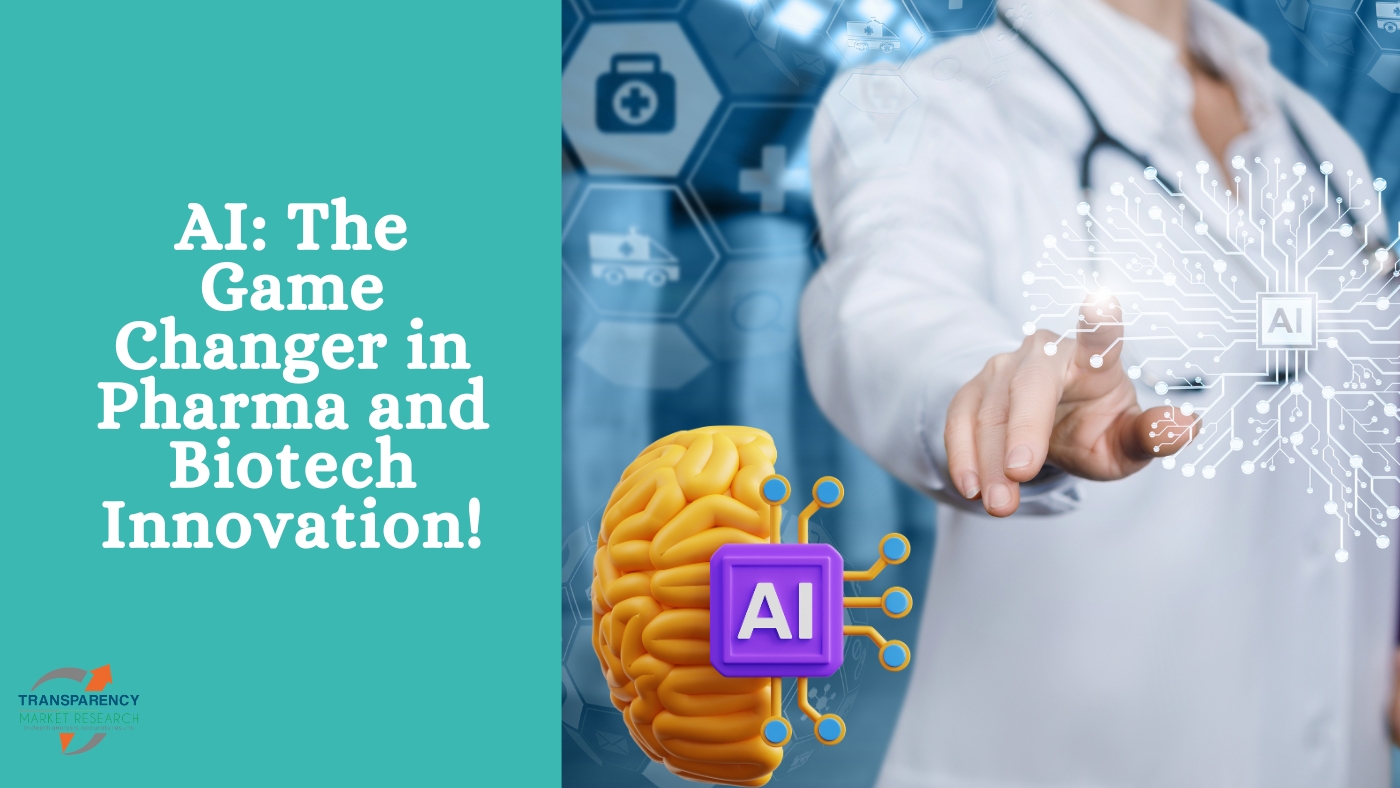
Artificial Intelligence (AI) is fundamentally transforming the pharmaceutical and biotechnology market, ushering in a new era of drug discovery and therapeutic development. By harnessing the power of AI, companies in this sector are enhancing their capabilities, leading to more efficient processes and better patient outcomes.
Accelerating Drug Discovery in the Pharma and Biotech Market
One of the most significant impacts of AI in the pharma and biotech market is in the realm of drug discovery. Traditional drug development is often a complex and lengthy process, but AI technologies are streamlining this journey.
Predictive Analytics: AI algorithms can analyze vast datasets to identify potential drug candidates swiftly. By recognizing patterns within existing data, researchers can focus their efforts on the most promising compounds, significantly reducing the risk of costly failures later in the development process.
Virtual Screening: AI-driven virtual screening allows researchers to simulate interactions between various compounds and biological targets. This method is far more efficient than traditional high-throughput screening, enabling the rapid testing of millions of compounds in silico. As a result, AI accelerates the identification of viable drug candidates.
Optimization of Drug Design: AI is also enhancing the drug design process within the pharma and biotech market. Through advanced modeling, AI predicts how chemical modifications will impact efficacy and safety. By analyzing the relationships between molecular structures and their biological effects, chemists can optimize drug candidates more effectively.
Advancements in Gene Editing
AI’s influence extends beyond drug discovery into the field of gene editing, particularly with technologies like CRISPR-Cas9.
Enhanced Precision: AI algorithms can predict the outcomes of gene edits, minimizing off-target effects. By analyzing genetic sequences and comparing them to known patterns, AI refines gene editing techniques, improving both the safety and effectiveness of therapies.
Optimizing CRISPR: Machine learning models are being utilized to design better CRISPR guides, which enhance the accuracy of genome editing. These models can predict how different guide RNA sequences will interact with target genes, leading to more precise gene modifications.
Predictive Models for Gene Function: AI is also aiding in understanding gene functions and their roles in diseases. By analyzing extensive genomic datasets, AI models can identify genetic variants associated with specific conditions, facilitating the development of targeted therapies.
Implications for Future Therapies in the Pharma and Biotech Market
The integration of AI into pharmaceutical and biotechnology research paves the way for more personalized and effective treatments.
Precision Medicine: AI enables the development of precision medicine approaches that tailor treatments to individual patients based on their genetic, environmental, and lifestyle factors. This personalized approach not only increases the likelihood of successful outcomes but also minimizes the risk of adverse effects.
Accelerating Vaccine Development: AI is transforming vaccine development by rapidly identifying potential candidates and predicting their effectiveness. AI-driven tools can analyze viral genomes and immune responses, designing vaccines that are safer and more effective.
Improving Clinical Trials: AI optimizes clinical trial design and management by predicting patient responses and identifying suitable candidates. This leads to more efficient trials with higher success rates, conserving resources that would otherwise be wasted on ineffective treatments.
Conclusion
AI is fundamentally reshaping the pharma and biotech market, revolutionizing drug discovery, enhancing gene editing precision, and enabling personalized therapies. As technology continues to advance, the potential for AI to transform healthcare becomes increasingly significant. Researchers and companies in the pharma and biotech market are leveraging AI to push the boundaries of what is possible, leading to innovations that could change the landscape of disease treatment and significantly improve patient outcomes.
The future of healthcare is bright, and with AI at the forefront, we are entering a new chapter in medical science that promises to deliver safer, more effective, and personalized treatments for all.